The Importance of Hiring an Owner’s Representative for Your Construction Project
2 February 2024
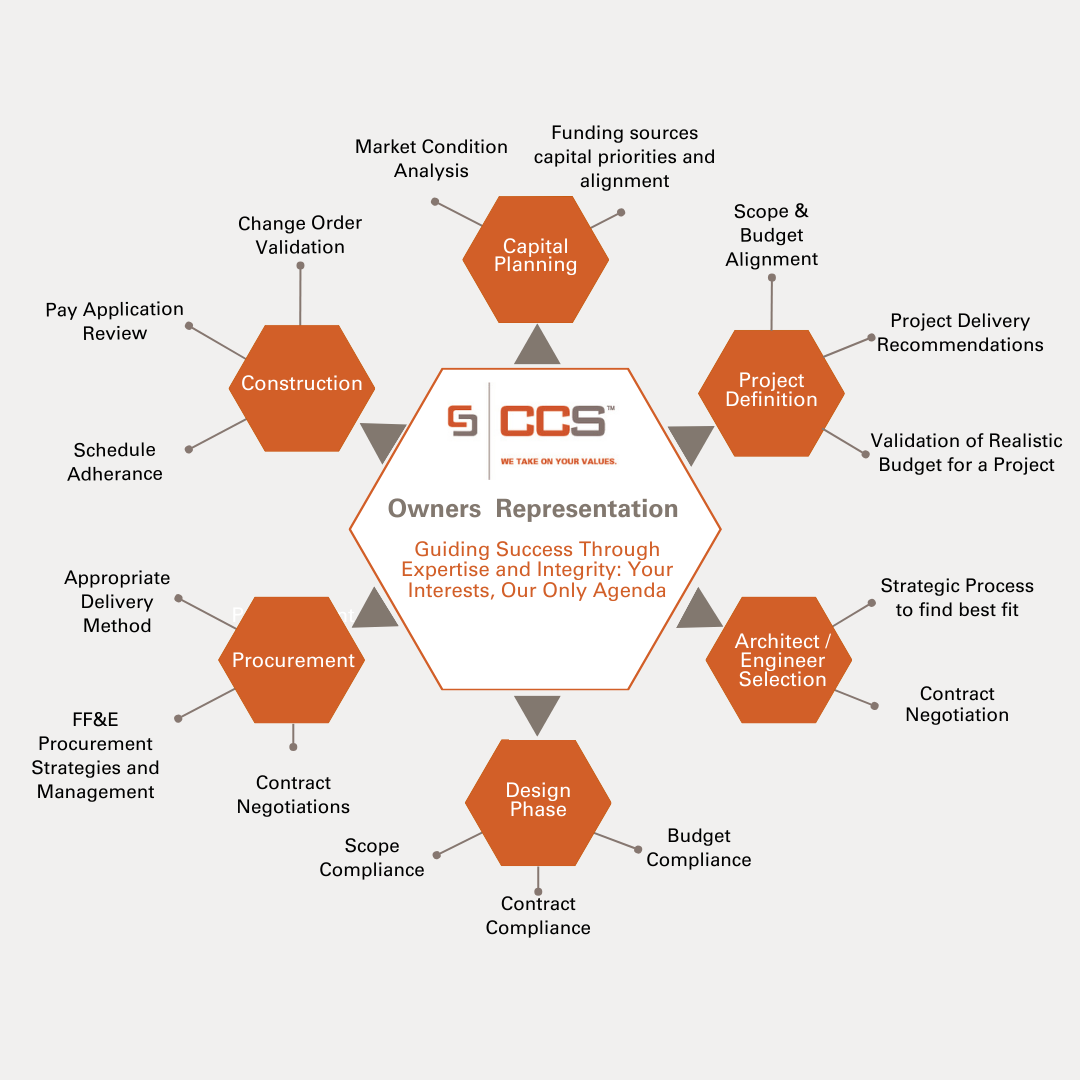
In today’s ever-evolving landscape of construction projects, the complexity and scale of these undertakings can be baffling. As a capital project owner, you need expert guidance to navigate the intricate processes and ensure a successful outcome. Enter the owner’s representative, a seasoned professional whose expertise and potential value-add to your project cannot be underestimated. Hiring an Owner’s Representative is a crucial step in the journey toward effective project management.
The Role of an Owner’s Representative
An owner’s representative serves as an extension of the project owner, handling crucial responsibilities and providing information and analysis, enabling you to make informed decisions. They bring their objectivity and vast experience to the table, ensuring the seamless management of projects from inception to completion, all while diligently safeguarding the owner’s interests.
Through every phase of the construction process, the owner’s representative expertly coordinates stakeholders, managing all communication and documentation needs. Their guidance is instrumental, giving you the peace of mind to focus on your core business operations, knowing that your project is in good hands.
Benefits of Hiring an Owner’s Representative
Protection of Interests
One of the primary advantages of hiring an owner’s representative is their dedication to advocating for your best interests. Through their meticulous review of contracts, designs, costs, budgets, and schedules, they ensure that all elements align with your project’s goals. Their foresight empowers them to proactively identify and mitigate potential risks, giving owners the confidence that their investments are secure. Furthermore, by proactively identifying value creation opportunities consistent with the owner’s project goals, the owner’s representative optimizes return on investment.
Proper Review and Oversight
The owner’s representative plays a pivotal role in ensuring proper insurance coverage, reviewing draw requests, and managing cost escalations. By keeping a watchful eye on every aspect of the project, they help keep it on track and eliminate any potential obstacles.
Budget and Schedule Management
One of the most marked benefits of engaging an owner’s representative is their ability to control costs and maintain project timelines. Their expertise in project controls and meticulous attention to detail means that significant delays and unexpected expenses can be avoided. In an industry where time is money, their proactive intervention can be a game-changer.
Expert Industry Advice
Choosing an owner’s representative from a reputable organization like CCS International ensures that the owner receives unparalleled guidance on risk allocation, project staffing, and contract negotiations. Leveraging their vast experience, their steadfast protection of the owner’s interests is evident throughout every stage of the project.
Assistance with Plans and Specifications
An owner’s representative brings extensive expertise to the table, not least in their ability to review and validate plans and specifications. Their keen eye for detail ensures that these complex elements are clearly articulated, appropriate for the project’s scope, and executed precisely—ultimately guaranteeing a smoother construction process.
Conclusion
In summary, hiring an owner’s representative for your construction project is a significant advantage, providing invaluable support every step of the way. Their unwavering commitment to protecting the owner’s interests, coupled with their unparalleled experience and expertise, makes them an indispensable ally in achieving project success. Don’t hesitate—invest in an owner’s representative from the get-go to maximize the potential of your construction project.
Follow this link to learn more about CCS’ Owners Representative Services
Company Announcements
7 April 2026
Why Local Market Intelligence Matters More Than National Construction Indexes
National construction cost indexes have become embedded in project planning processes. They are used to support feasibility studies, establish baseline budgets, justify escalation assumptions, and validate project affordability. In many organizations, alignment with national benchmarks is treated as evidence a budget is reasonable and defensible.
17 February 2026

Who is Protecting Your Budget? Why Owners Need Independent Cost Consultants.
Capital project owners are operating in an environment defined by sustained cost volatility, constrained labor markets, financing pressure, and heightened delivery risk. Traditional project delivery structures—while effective—do not provide owners with independent financial oversight of the assumptions shaping project viability. Cost overruns are increasingly rooted in early-stage decisions rather than execution failures. Structural misalignment in traditional delivery models often obscures emerging risk, delaying visibility until corrective action is costly or no longer possible. Independent cost consultants play a critical role in protecting owner capital by providing objective, data-driven oversight at the point where assumptions are set and commitments are made. CCS International helps owners move cost risk upstream, transforming a reactive liability into a managed strategic advantage.
22 January 2026

The Hidden Costs That Blindside Capital Project Owners — And How to See Them
Capital project owners are facing a growing set of cost pressures often emerging too late to control: volatile labor markets, obscure supply-chain premiums, misaligned design assumptions, and schedule risks compounding quietly until they become unavoidable. These hidden drivers routinely erode contingencies, distort forecasts, and force difficult scope or funding decisions mid-project. The challenge is these risks are unknown; the issue is owners often lack early visibility to recognize and manage them. By improving front-end visibility, strengthening data inputs, and integrating commercial, design, and workforce intelligence early, owners can surface these pressures sooner and avoid surprises undermining budget, schedule, and strategic goals.